
Financial regulatory lawyers for banking, finance and FinTech
We support banks, financial service providers and FinTech companies with expertise in regulation, licensing, compliance and cross-border structuring across the EU, Switzerland, Germany and the US.





























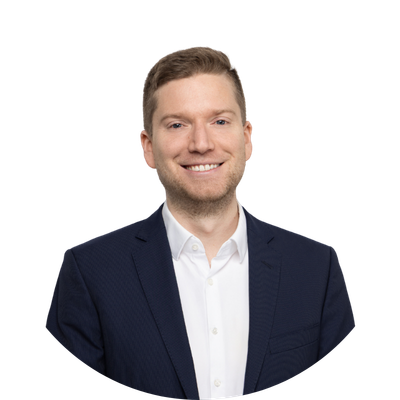
"Technology and traditional financial institutions are converging. Banks are building on AI, cloud and FinTech partnerships, while FinTechs take on regulated roles that used to belong to banks. The legal work sits where the two meet, across jurisdictions and at scale. The institutions that lead will be those that structure this convergence with regulation built in from the start."
Dr. Stephan D. Meyer · Partner · Get in touch →
Meet the financial regulatory team
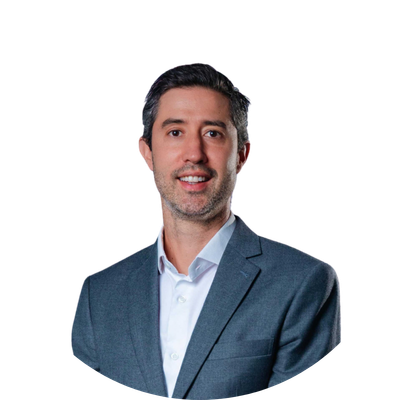 Christian Meisser Managing Partner Dr. Stephan D. Meyer Partner
 Maximilian Krähenbühl Partner*
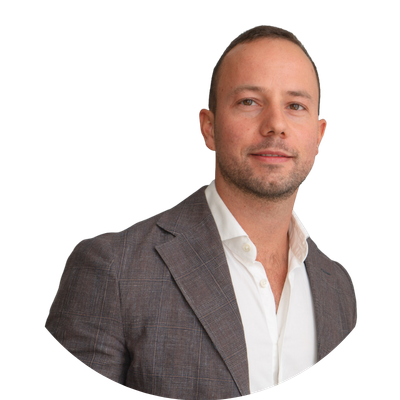 Yannick Bucher Partner
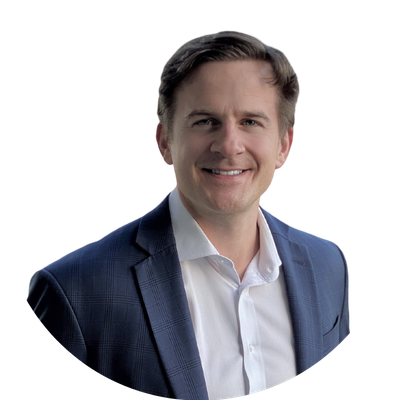 Silvan Amberg Tax Counsel*
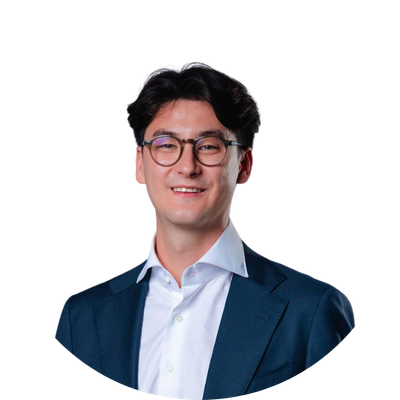 Andrin Hold Associate
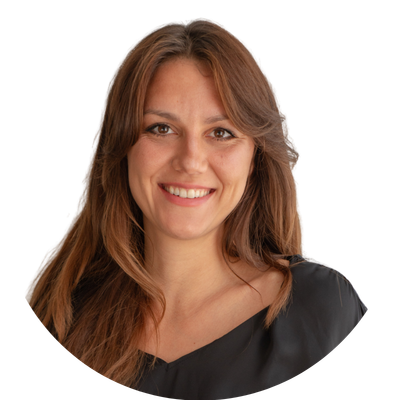 Jana Huwyler Managing Associate
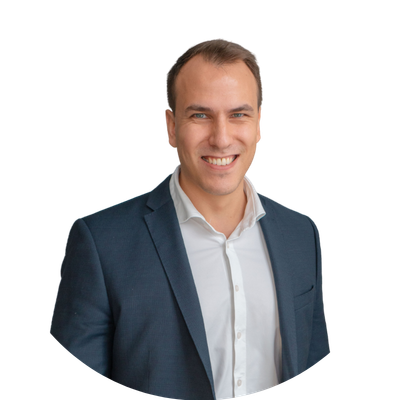 Samuel Noser Senior Associate
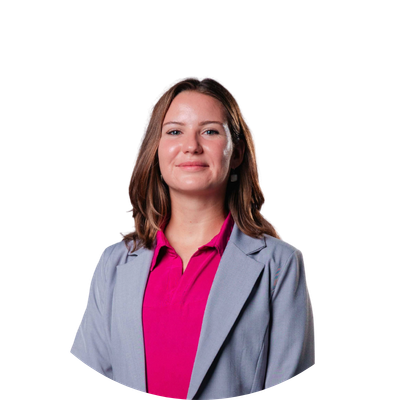 Irina Langenegger Senior Associate
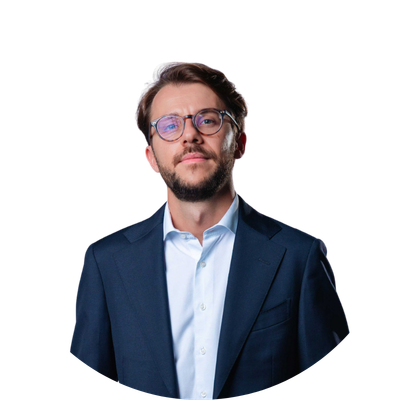 Leo Jedwab Senior Associate
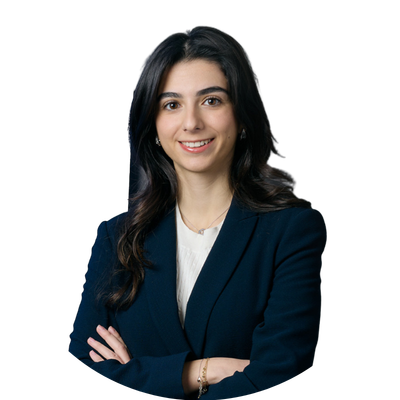 Yaël Nahmani Associate*
* not registered at the bar
Why LEXR for financial regulation
Regulatory expertise
EU, Swiss, German and US rules for banking, asset management, financial services, payments and crowdfunding, so your business model rests on solid regulatory ground from day one.
Global structuring and licensing
We structure groups, licenses and financial products across the EU, Switzerland, Germany and the US, so one set-up works in every market you serve. We run the full licensing process with FINMA, BaFin and other authorities, planned around your timeline, and keep you informed at every step.
Technological expertise
We understand the technologies we advise on, from AI and machine learning to blockchain, tokenization and cloud infrastructure. This enables us to help financial institutions embed technology in regulated processes: AI in credit, compliance and client advice, tokenized assets alongside traditional products, and outsourcing to technology providers.
Banking, finance and FinTech: what we offer
Regulation, licensing and cross-border structuring for banks, financial service providers and FinTech companies in the EU, Switzerland, Germany and the US.
- AI governance for banks, asset managers and insurers: use-case assessment under the EU AI Act and FINMA's supervisory expectations, accountability and model risk frameworks
- Outsourcing and cloud: structuring outsourcing to technology providers under FINMA and EU outsourcing rules and DORA, including the provider contracts
- Bank and FinTech partnerships: Banking-as-a-Service, white-label and distribution agreements, with a clear split of regulatory responsibilities
- Tokenized securities and fund units issued or held within existing licenses
- Data protection, banking secrecy and cyber resilience for technology projects under the GDPR, the Swiss FADP and DORA
- Group and holding structures across the EU, Switzerland, Germany and the US
- Cross-border regulatory strategy: which entity holds which license, and where
- US holding structures for groups entering the US market
- Structuring of financial products for distribution in several markets, for example tokenized tracker certificates with an EU prospectus
- Licensing advisory and cross-border regulatory strategy
- AML SRO applications and compliance programs, including an outsourced AML Officer role
- FinSA packages
- Licenses through a structured licensing process: portfolio and asset manager, FinTech license, get-ready packages for payment institutions
- Legal frameworks for payment services
- Neobank and Banking-as-a-Service structuring
- Lending, crowdlending and factoring platforms
- Open banking API contracts, data protection and liability frameworks
- Robo-advisory and robo-invest classification and licensing
- WealthTech and asset management authorization aligned with FinSA and MiFID II
- Crowdfunding and crowdlending platform structuring and prospectus requirements
- Regulatory assessment and licensing for insurtech models
The EU, Switzerland, Germany and the US
LEXR also runs an Italy desk and a UK desk for companies entering those markets.
European Union & Germany
Financial services aligned with MiFID II, local licensing procedures with BaFin and prospectuses for EU offerings.
Switzerland
FINMA licensing and no-action requests, from the FinTech license to portfolio and asset manager authorization, and AML SRO membership.
United States
Regulatory assessments under US law, broker-dealer licensing, securities offerings in the US market.
Global reach. Local roots. One team.
-
Zurich
LEXR represents a Swiss institution in a $100m+ acquisition of a Swiss FinTech
-
Berlin › New York
LEXR advises a FinTech scale-up on their Delaware flip to expand to the US market
-
Zurich
LEXR advises BIT Asset Management on the SIX exchange listing of its Bitcoin ETF
-
Zurich › Frankfurt
LEXR advises a Swiss PE-firm on the acquisition of a German FinTech company
FAQ
LEXR advises on financial regulation, licensing, and cross-border structuring in the EU, Switzerland, Germany and the US, with offices in Germany, Switzerland and the US and desks for Italy and the UK. We also regularly work with partner firms in the Cayman Islands, BVI, Guernsey, Jersey and other key jurisdictions.
Work includes assisting financial institutions with the implementation of new technologies such as AI, advisory on securities offerings with respective regulatory filings (EU prospectuses, KIID), regulatory assessments of new tech-powered financial services, FINMA and BaFin licensing procedures, advice on payment services regulations, and Swiss SRO affiliations.
A prospectus is generally required when you publicly offer securities or seek admission to trading, unless an exemption applies, for example limited investor numbers or minimum ticket sizes. EU offerings fall under the Prospectus Regulation, Swiss offerings under FinSA. We assess exemptions and draft and file what you need.
It depends on what you do with client money and assets. Taking deposits, managing portfolios or running a payment business each trigger different regimes, from the FinTech license to portfolio and asset manager authorization, payment institution status or a full banking license. We assess which license applies to your model.
Payment models are classified by what you hold and move. Issuing e-money, initiating payments, providing account information services and offering buy now, pay later each map to different Swiss and EU regimes and license thresholds. We classify your flow of funds and tell you which authorization each market requires.
It heavily depends on the use case. Under the EU AI Act, AI used to assess the creditworthiness of individuals is high-risk and brings duties on governance, data quality, documentation and human oversight. In Switzerland, FINMA expects institutions to keep an inventory of AI applications, assign clear accountability and manage model risk. In any case, keep data protection and banking secrecy laws in mind. We regularly conduct workshops to assist financial institutions in their AI journey.
DORA applies since January 2025 to most EU financial entities, including banks, investment firms, payment and e-money institutions and insurers. It requires an ICT risk framework, incident reporting, resilience testing and minimum terms in contracts with ICT providers. Swiss institutions are not directly subject, but FINMA sets comparable expectations on operational resilience, and technology providers to EU institutions feel DORA through their contracts.
In most cases, yes. Under MiFID II, receiving and transmitting orders in financial instruments is an investment service that requires authorization, unless an exemption applies or the platform acts as a tied agent of a licensed firm. Under FinSA, order transmission is a financial service: no FINMA license is needed for it alone, but conduct rules apply, and client advisers of foreign providers serving Swiss clients must register. A purely technical conduit can fall outside both regimes if structured carefully.

Book a non-binding discovery call
Our financial regulatory lawyers support your next step, from licensing and cross-border structuring to prospectuses and payments.